The HEDIS Controlling High Blood Pressure (CBP) measure is deceptively simple in design: was the patient's most recent blood pressure reading below 140/90 at any point during the measurement year? Yes or no. One qualifying BP reading in 12 months closes the measure.
That binary structure creates a blind spot that most VBC organizations haven't fully reckoned with. The measure closes when a reading is taken and it's controlled. But it tells you nothing about what happened to that patient's blood pressure in the 300+ days between that reading and the end of the measurement year, or whether the reading that closed the measure was representative of their typical control or just a good day in the doctor's office.
The monitoring gap — the stretch of weeks or months when a hypertensive patient has no documented BP readings at all — is the untracked interval that quietly drives cardiovascular events and readmissions. It's also the engagement failure that most care management dashboards are structurally unable to see.
What Controlled on Paper Doesn't Tell You
Consider the workflow for a hypertensive patient on amlodipine 10mg and lisinopril 20mg managed in a typical primary care practice under a VBC contract. They come in for their annual wellness visit in March. BP is 132/84 — controlled per CBP measure criteria. The care team documents the reading, the HEDIS measure closes for the year, and the patient is marked as managed.
What the practice may not know: the patient's benefit year rolled over in January and they delayed filling their lisinopril for three weeks because the deductible reset made the co-pay feel unexpectedly high. They filled it eventually but have been taking a half dose intermittently to stretch the supply. Their BP at the March visit reflected two weeks of being back on the full dose ahead of a visit they knew was coming.
That scenario — patent medicines to financial pressure, medication coverage gaps in early Q1, white-coat-controlled readings that don't reflect actual 30-day status — is not uncommon. The CBP measure doesn't distinguish between the patient whose BP is genuinely well-controlled all year and the patient whose BP is controlled just often enough to close the measure.
From a VBC quality score standpoint, both patients look the same. From a cardiovascular outcomes standpoint, they're very different.
The January Refill Gap
The deductible reset dynamic deserves specific attention because it creates a predictable, calendar-driven medication adherence gap that affects a large number of hypertensive patients each year.
Most commercial and Medicare Advantage plans reset deductibles on January 1. For patients on multiple chronic condition medications, the first fills of the year come with out-of-pocket costs that may be significantly higher than they've been paying for months 2 through 12 of the prior year. The practical result: some patients delay filling or partially fill their hypertension medications in January and February, creating a coverage gap that — for a medication like lisinopril or metoprolol — has real cardiovascular implications within weeks.
This gap is visible in pharmacy data and PBM claims, but invisible in EHR records unless the care team specifically looks for it. The patient doesn't come in to report that they didn't fill their medication. They just don't fill it. The next time their BP gets measured might be their March wellness visit, after they've been back on their full regimen for six weeks.
For care teams and VBC organizations, the January window is the highest-value intervention period for medication adherence outreach in the hypertensive panel. A proactive contact in early January — timed to the deductible reset, explicitly addressing whether the patient has any barriers to filling their medications in the new benefit year — costs one coordinator call and potentially prevents a 3-month adherence gap.
Remote Monitoring Adoption and the Drop-Off Problem
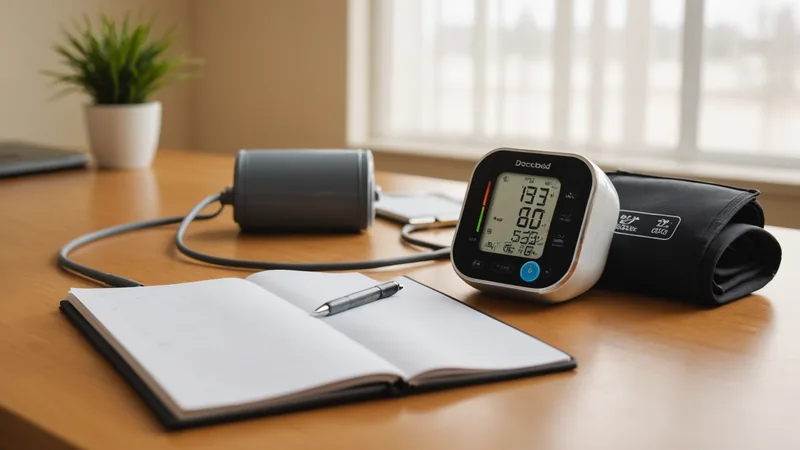
Many health systems and VBC practices have expanded home blood pressure monitoring programs over the past few years, driven by the CMS Remote Patient Monitoring (RPM) reimbursement codes (CPT 99453/99454/99457/99458) that went into broad use. These programs provide blood pressure cuffs to hypertensive patients and ask them to log readings regularly, which feeds into the EHR and enables between-visit monitoring.
The real-world implementation problem is significant: initial adoption is reasonable, but sustained engagement drops sharply at 6–8 months. A patient who was logging readings weekly in the first two months after enrollment starts logging monthly by month four, then goes silent. The RPM dashboard shows no readings for 60+ days. The monitoring gap the RPM program was designed to close has reopened — but it's not visible as a care gap in the standard panel management view because the patient technically has the cuff and is technically enrolled in the program.
The question of who on the hypertensive panel has gone silent on their home monitoring — not just who has an uncontrolled reading, but who has no recent reading at all — is the measurement gap that most VBC dashboards miss. A patient with no BP reading in 60 days is a patient whose current control status is unknown. That's a different problem than a patient whose last reading was 148/92.
We're not saying remote BP monitoring programs don't work — the evidence for home monitoring in improving BP control is solid, particularly when there's active clinical follow-up. The problem is treating RPM enrollment as an endpoint rather than as the beginning of a sustained engagement process that requires its own monitoring and outreach logic.
The MSSP Quality Measure Timing Problem
For organizations in MSSP ACO arrangements, hypertension management quality performance is assessed on a calendar-year basis. The way CBP measure closure is timed operationally matters more than most practices appreciate.
Practices that concentrate their BP measurement capture in Q1 — at annual wellness visits and the beginning-of-year scheduling push — can close CBP measures early in the year for a large portion of their panel. That looks good on the mid-year quality dashboard. But it also means that the organization has limited visibility into the 8-9 months between when the measure closed and when the measurement year ends.
A patient whose BP was 134/86 in February and whose lisinopril refills have become irregular since May is a patient at risk of presenting with an acute hypertensive event in Q3 or Q4. The CBP measure is closed. The MSSP dashboard shows them as managed. But the longitudinal clinical risk is not captured in the measure's binary structure.
This matters financially because the cost of treating that Q4 acute event comes out of the same total cost of care that determines shared savings performance. Quality measures and cost outcomes aren't fully aligned — you can close every quality measure and still have poor cost performance if the between-measure-closure clinical management is inadequate.
What Proactive Outreach Looks Like for Hypertension
Given this gap, what does effective proactive hypertension management actually require operationally?
The core shift is from measuring BP control at point-in-time visits to monitoring medication continuity as a continuous signal. For a patient on amlodipine and lisinopril, their 30-day refill history is the most reliable proxy for their current adherence status. A refill gap of more than 35 days on either medication is an actionable signal that doesn't require waiting for a clinical encounter to surface it.
Second is building outreach that specifically addresses the January deductible reset and the mid-year adherence drift windows. Not generic "your medication refill is due" messages, but outreach that acknowledges the specific circumstances: "It's the start of a new benefit year — some patients find their co-pays look different in January. If your medications feel more expensive right now, we can help identify options." That framing converts at a higher rate than a generic reminder because it addresses the actual barrier the patient is experiencing.
Third is tracking home monitoring engagement separately from monitoring outcomes. Who was enrolled in RPM and has gone silent? That's the highest-priority subpopulation for reactivation outreach — they've already expressed willingness to monitor, they just need a re-engagement touchpoint and sometimes a reminder that the readings actually go somewhere and someone looks at them.
The measurement gap in hypertension management is the interval between encounters when adherence slips and monitoring goes quiet. That interval is where cardiovascular risk accumulates. Standard quality measure structures don't capture it. Clinical care management programs that track the continuous signals — refill history, monitoring cadence, engagement patterns — can close it before it closes with an acute event.